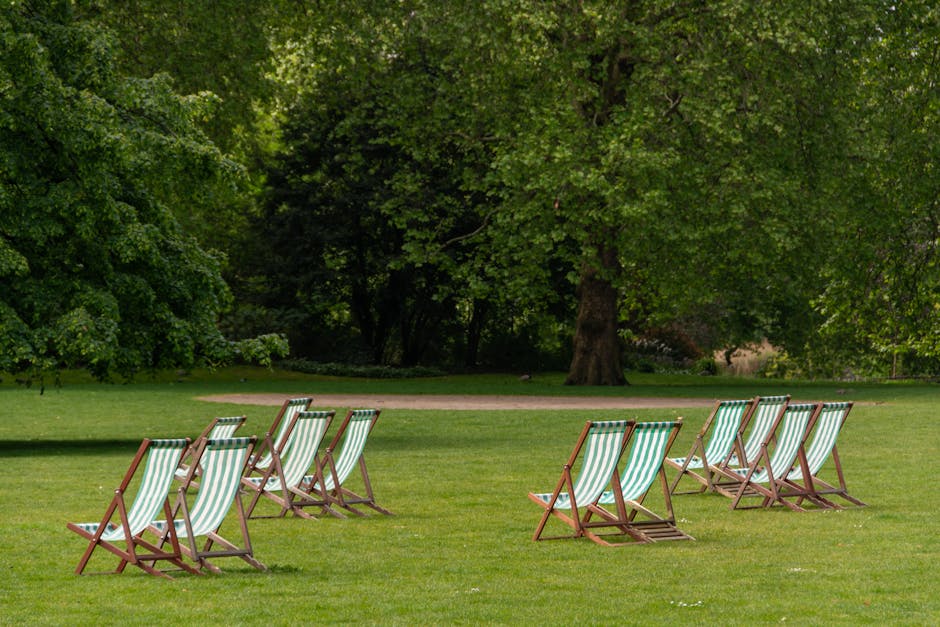
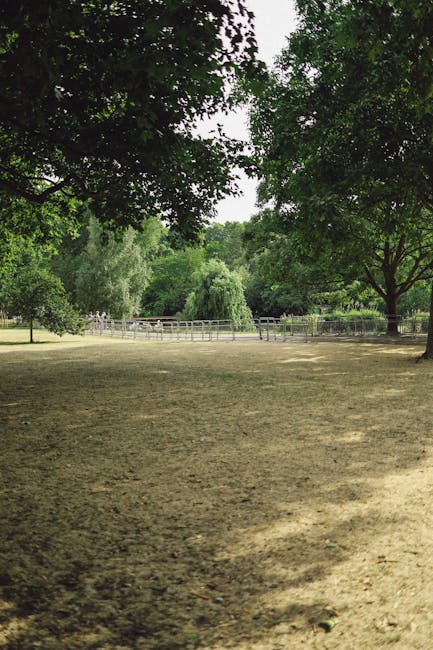
Peckham Rye Park gardeners guide for shaded lawns
If your lawn sits under trees, beside a tall fence, or in that awkward corner that never quite catches the sun, you already know the problem: grass looks thin, moss creeps in, and the ground stays damp far longer than you'd like. This Peckham Rye Park gardeners guide for shaded lawns is here to make that easier. It's written for real gardens, real weather, and the kind of shaded conditions that turn an ordinary lawn into a bit of a battle.
Shaded lawns are not hopeless. Far from it. With the right mowing height, soil care, and a few sensible choices about grass type, you can usually improve density, reduce moss, and make the space look cared for rather than tired. Truth be told, shade gardening is often more about patience than drama. A few small changes made consistently can shift the result more than one big, expensive fix.
In this guide, you'll get practical steps, useful comparisons, and local-minded advice for managing shady turf in a Peckham setting. If you're also planning broader garden work, you may find it helpful to look at related pages such as garden maintenance services, lawn care support, and new turfing options as you decide what makes sense for your space.
Table of Contents
- Why Peckham Rye Park gardeners guide for shaded lawns Matters
- How Peckham Rye Park gardeners guide for shaded lawns Works
- Key Benefits and Practical Advantages
- Who This Is For and When It Makes Sense
- Step-by-Step Guidance
- Expert Tips for Better Results
- Common Mistakes to Avoid
- Tools, Resources and Recommendations
- Law, Compliance, Standards, or Best Practice
- Options, Methods, or Comparison Table
- Case Study or Real-World Example
- Practical Checklist
- Conclusion
- Frequently Asked Questions
Why Peckham Rye Park gardeners guide for shaded lawns Matters
Shaded lawns behave differently from lawns in open sun. That sounds obvious, but it's amazing how often people treat them the same and then wonder why the patch near the fence looks patchy, soft, and a bit sorry for itself. In Peckham, gardens can be especially varied: mature trees, terraced boundaries, neighbouring buildings, and narrow side returns all create shade patterns that shift through the day.
Shade matters because it changes the whole growing environment. Grass in low light typically gets less energy, so it grows more slowly, recovers from wear more slowly, and can become less dense. Damp shade can also encourage moss and disease pressure. None of that means you can't have a good lawn. It just means the lawn needs a different approach.
For many homeowners, the goal is not a perfect bowling-green finish. It's a healthy, usable surface that looks decent, feels good underfoot, and does not demand constant rescue work. That's the practical lens this guide uses. If you're trying to decide whether to improve, repair, or replace, the next sensible step is often a proper assessment rather than guessing. You might also browse related support on garden design planning or landscaping services if your shaded lawn is part of a wider redesign.
Expert summary: shaded lawns usually fail for predictable reasons: too much shade, too much water, mowing too low, compacted soil, and the wrong grass mix. Fix those five things well, and the lawn often improves faster than people expect.
How Peckham Rye Park gardeners guide for shaded lawns Works
The basic method is straightforward: reduce stress, improve light and airflow where possible, and choose lawn care practices that suit slower-growing grass. That means working with the site rather than fighting it.
In practical terms, shaded lawn care tends to revolve around six connected actions:
- Assess the shade pattern so you know whether the area gets dappled light, partial shade, or deep shade.
- Raise mowing height to help the grass keep more leaf surface for photosynthesis.
- Improve drainage and soil structure so roots are not sitting in cold, wet ground.
- Feed lightly but consistently with the right type of fertiliser for slower growth.
- Overseed with shade-tolerant grass species where appropriate.
- Control moss and weeds without stripping the lawn back too aggressively.
That may sound like a lot, but it becomes manageable once you break it down. A shaded lawn is rarely fixed by one product. It usually responds to a system. Small, steady improvements. A bit of patience. Then more patience, if we're being honest.
If the shaded area is severely compacted or thin, some garden owners choose to combine maintenance with small-scale renovation. For example, a section may be re-turfed while the rest is improved gradually. That's often more realistic than insisting every square metre should perform the same way. If you're weighing up options, the service pages for artificial grass installation and fencing solutions can also be useful when shade is caused by poor light and boundary issues.
Key Benefits and Practical Advantages
A well-managed shaded lawn does more than look neat. It changes how the whole garden feels. The area becomes usable again, less muddy after rain, and less likely to turn into a mossy no-man's-land by late autumn.
Here are the main benefits:
- Better appearance - thicker, greener turf looks calmer and more cared for.
- Improved resilience - healthy roots cope better with wear, pets, and weather swings.
- Less moss domination - not zero moss, let's be fair, but noticeably less takeover.
- Lower long-term stress - the lawn stops needing emergency fixes every few weeks.
- More usable garden space - you can actually walk, sit, or let children play without avoiding the damp patch.
- Smarter spending - choosing the right maintenance strategy early often reduces wasted effort later.
There's also a quieter benefit: confidence. Once you understand what the lawn needs, the whole thing feels less random. You stop guessing. That alone is worth a lot in a garden that's been frustrating you for ages.
| Shaded lawn issue | Common symptom | Practical response |
|---|---|---|
| Low light | Thin growth, pale colour | Raise mowing height and overseed with shade-tolerant grass |
| Poor drainage | Soft ground, wet patches, moss | Aerate, improve soil structure, avoid overwatering |
| Root competition from trees | Dry, weak turf despite shade | Mulch carefully, feed lightly, reduce stress |
| Heavy wear in shaded areas | Bald spots, mud, compaction | Limit traffic and repair with overseeding or patching |
Who This Is For and When It Makes Sense
This guide is for anyone dealing with a lawn that gets less light than ideal. That includes front gardens shaded by trees, rear gardens hemmed in by buildings, and side return strips that never really dry out. In a place like Peckham, that's a lot of gardens, to be fair.
It makes sense if you are:
- a homeowner trying to improve a tired patch of turf
- a landlord or property manager keeping outdoor space presentable
- a family wanting a safer, less muddy lawn area
- someone deciding whether lawn renovation is better than replacement
- a gardener looking for a practical shaded lawn routine
It may be less suitable if the area is deep shade all day, root-bound by mature trees, or used very heavily. In those cases, a mixed planting scheme, shaded ground cover, or alternative surface may be more realistic than fighting for dense turf. That's not failure. It's sensible design.
If you're in that decision stage, broader support like hard landscaping or patio installation may be worth comparing against turf repair. Sometimes the best lawn decision is not to force more lawn.
Step-by-Step Guidance
Here's the practical route we'd recommend for most shaded lawns. Keep it simple. The more complicated you make it, the easier it is to overdo something.
1. Map the shade properly
Spend a day noticing where the sun reaches and for how long. Morning shade and afternoon shade are not the same. Dappled light under a tree behaves differently from the deep shade next to a wall. If you can, check the lawn at different times of day in spring and mid-summer. The pattern changes more than people expect.
2. Test drainage and soil condition
Push a screwdriver or hand trowel into the soil after rain. If it's hard going, compacted. If water sits on the surface, drainage is poor. In shady gardens, the soil can stay cool and sticky, which slows roots and encourages moss. Aeration helps, but only if it's used at the right time and with realistic expectations.
3. Adjust mowing height
Shaded lawns usually benefit from being cut a bit higher than sun-soaked lawns. The grass needs more leaf surface to capture light. Cutting too short weakens it and gives moss a head start. Also, don't scalp the lawn after a wet spell just because it looks untidy. That's a common regret.
4. Feed with restraint
Use a fertiliser suited to lawn recovery or maintenance, not a heavy feed that forces weak, soft growth. In shade, fast growth can be a trap. It looks green for a week, then collapses. Gentler, steadier feeding tends to perform better.
5. Overseed thin patches
Choose a seed mix that includes shade-tolerant grasses. This is not magic seed. It won't make deep shade behave like full sun. But it can improve density and resilience in partial shade. Rake the soil lightly first, sow evenly, and keep the surface just moist enough for germination.
6. Reduce competition and stress
If tree roots are competing with the lawn, avoid digging too aggressively near the base. Instead, focus on surface care and feeding. If the area gets hard use, such as a shortcut path across the grass, consider redirecting traffic. One small worn path can undo a lot of lawn work.
7. Review after a season
Shaded lawns often need a whole growing season to show clear change. That's normal. Watch what improves, what stays weak, and whether the issue is mostly shade, soil, or traffic. Then decide whether to keep improving, repair a section, or redesign the area altogether.
Expert Tips for Better Results
A few details make a surprisingly big difference. These are the little things that separate a decent result from one that still looks a bit tired by September.
- Mow when the grass is dry if possible. Wet mowing in shade can tear the blades and compact the surface.
- Clean up fallen leaves quickly. A thin leaf layer can smother light-starved grass within days, especially in autumn.
- Use sharper mower blades. Clean cuts help the lawn recover faster and look tidier.
- Limit nitrogen-heavy feeding in deep shade. Lush top growth is not the same as healthy turf.
- Top-dress lightly with the right material if the surface is uneven, but don't bury weak grass.
- Watch for fungal issues after wet, still weather. Shade plus dampness can create the perfect little misery cocktail for lawns.
One tip people often overlook: trim nearby plants carefully to let in just a bit more light and air. You do not always need to remove a tree or rip out a hedge. Sometimes a modest prune is enough. And yes, sometimes it isn't. You have to be honest about the site.
Another useful habit is to observe the lawn after rain in the evening. If it still looks glossy-wet long after the rest of the garden has dried, drainage or airflow is probably part of the problem. Those quiet observations are gold.
Common Mistakes to Avoid
Most shaded lawn problems get worse because of a few repeat errors. The good news is that these are avoidable once you know what to look for.
- Cutting too short - this is probably the biggest one. It weakens the turf and favours moss.
- Overwatering - shade slows evaporation, so water can linger and suffocate roots.
- Using the wrong seed - general-purpose seed can struggle badly in low light.
- Ignoring compaction - foot traffic squeezes the soil, and shallow roots suffer.
- Panic-feeding - too much fertiliser can create soft growth that collapses quickly.
- Expecting sun-lawn results - shaded turf can be good, but it has different limits.
One more thing. Don't assume moss means the lawn has failed completely. Moss is often a symptom, not the real problem. If you treat the cause, the lawn can improve. Remove the symptom alone and it just comes back wearing a new hat.
Tools, Resources and Recommendations
You don't need a warehouse of equipment to care for a shaded lawn. A modest toolkit, used well, goes a long way.
- Lawn mower with adjustable cutting height - essential for shaded areas.
- Spring-tine rake or scarifier - useful for removing thatch and moss, but do not overdo it.
- Garden fork or aerator - helps relieve compaction and improve airflow in the root zone.
- Grass seed suited to shade - choose a blend intended for lower-light areas.
- Light top-dressing material - for smoothing and supporting overseeded patches.
- Basic soil test kit - not essential for every garden, but handy if growth is consistently poor.
Resources can also mean the right support. If the lawn problem is tied to drainage, edging, boundary shade, or wider garden layout, it may be worth looking at broader services like garden drainage work, hedge trimming, or tree surgery services. The point is not to throw every service at the problem. It's to choose the right lever.
If you're managing a larger garden or want regular upkeep rather than one-off fixes, ongoing support through regular garden maintenance can be a more practical fit. Shaded lawns reward consistency more than grand gestures.
Law, Compliance, Standards, or Best Practice
For most domestic lawn work, there is usually no special legal process just for shade management. Even so, there are a few best-practice points worth keeping in mind, especially in London gardens where boundaries can be tight and trees can be shared concerns.
First, if work involves trees, hedges, or shared boundaries, be careful about ownership and permission. Tree work in particular may need extra caution if the tree is protected or if roots are near a neighbour's property. You do not want to improvise that one.
Second, responsible garden work should avoid unnecessary chemical use. Moss treatment, fertiliser application, and weed control should be handled according to product instructions and with the conditions of the site in mind. Shade, moisture, and wildlife-friendly gardening all push you towards the "less, but better" approach.
Third, disposal of green waste should follow normal local best practice. Keep spoil, cuttings, and extracted moss tidy and separate where possible. It makes the job cleaner and easier to manage. If a contractor is working on your lawn, it's fair to ask how waste will be handled, what the plan is for soil improvement, and whether they are recommending replacement or repair based on the actual site conditions rather than a one-size-fits-all pitch.
There are also broader professional standards to expect: clear communication, sensible risk awareness, and an honest explanation of what shaded lawn care can and cannot achieve. That's the benchmark. Nothing flashy.
Options, Methods, or Comparison Table
Shaded lawns are often improved in different ways depending on how bad the shade is, how the space is used, and how much work you want to put in. Here's a practical comparison.
| Method | Best for | Pros | Limitations |
|---|---|---|---|
| Routine maintenance | Light to moderate shade | Cost-effective, preserves existing lawn | Slower improvement, still dependent on site conditions |
| Overseeding with shade-tolerant mix | Thin but salvageable turf | Improves density and resilience | Needs good timing and aftercare |
| Aeration and top-dressing | Compacted, damp lawns | Helps roots breathe, improves surface quality | Not a fix for deep shade alone |
| Partial re-turfing | Localised dead or worn patches | Quick visual improvement | Needs matching care and watering |
| Alternative surfacing | Very deep shade or heavy wear | Low maintenance, dependable use | Loses the lawn feel and living surface |
For many gardens, a blended approach works best. Keep the lawn where it still has a chance, and convert the truly difficult patch into a planting bed, path, or seating corner. It's not giving up. It's designing properly.
Case Study or Real-World Example
Imagine a typical Peckham garden with a small rear lawn. One side sits under a mature tree. The other side gets a bit of afternoon light, but only for a few hours. By late spring, the shaded edge has gone thin and mossy, while the sunnier strip looks passable.
A sensible approach would be:
- raise mowing height across the whole lawn
- clear leaves and debris after windy spells
- aerate the shaded section where compaction is worst
- overseed the thin edge with a shade-tolerant mix
- avoid overwatering the low-light area
- trim low branches only where it is safe and appropriate
Over one season, that lawn may not become flawless. But it can become denser, drier underfoot, and much less patchy. The moss often eases once the surface is healthier and the mowing regime is more forgiving. You might still see some darkened areas after heavy rain, especially in winter. That's normal. The goal is progress, not perfection.
In real life, that's usually the difference between a garden that feels ignored and one that feels looked after. And that feeling matters more than people admit.
Practical Checklist
Use this checklist to keep your shaded lawn work on track.
- Check how many hours of light the lawn gets.
- Identify the darkest and wettest sections.
- Raise the mower height before the next cut.
- Remove fallen leaves and heavy debris regularly.
- Aerate compacted areas at an appropriate time of year.
- Use shade-tolerant grass seed for overseeding.
- Apply fertiliser lightly and only when the lawn can use it.
- Reduce foot traffic across weak patches.
- Watch for moss, fungal signs, and persistent puddling.
- Review the site after one growing season and adjust the plan.
If you can tick most of those boxes, you are already ahead of a lot of struggling lawns. Really.
Conclusion
Shaded lawns ask for a different mindset. Not harder, just different. The key is to work with the light you have, improve the soil where it needs help, and stop expecting a sun-drenched lawn result from a low-light site. Once you do that, the job gets far more manageable.
For Peckham gardens in particular, where shade from trees, walls, and neighbouring structures is common, the best results usually come from steady care rather than dramatic intervention. Mow a little higher, feed more carefully, keep the surface cleaner, and be honest about what the space can realistically become. Small wins add up. They really do.
If your lawn is still struggling after the basics, it may be time to compare renovation, re-turfing, drainage improvements, or a more mixed garden layout. Either way, you are not stuck. There's always a next sensible step, and that's often enough to get things moving again.
Get a free quote today and see how much you can save.
Frequently Asked Questions
Can a shaded lawn actually recover, or is it better to replace it?
It depends on how much light the area gets and how worn the turf is. Light to moderate shade often responds well to better mowing, aeration, and overseeding. Deep shade is harder, and replacement or a different surface may make more sense.
What is the best grass for shaded lawns in the UK?
Shade-tolerant blends usually perform better than general-purpose seed. Look for mixes that are specifically marketed for partial shade rather than full sun. No grass thrives in deep shade, though, so site conditions still matter most.
Should I mow a shaded lawn shorter to keep it tidy?
No, usually the opposite. Shaded grass benefits from being kept a bit taller because the extra leaf area helps it capture more light. Cutting too short can weaken the lawn and encourage moss.
Why does moss grow so quickly in my shaded lawn?
Moss likes damp, compacted, low-light conditions. If the soil stays wet and the grass is thin, moss can move in fast. Treating the cause is more effective than just removing the moss.
How often should I water a shaded lawn?
Usually less often than a sunny lawn. Shaded areas hold moisture for longer, so overwatering can make problems worse. Water only when the soil actually needs it, not on a fixed guesswork schedule.
Is aeration worth doing on a shaded lawn?
Yes, especially if the soil is compacted or waterlogged. Aeration helps air, water, and nutrients move through the soil. It won't fix shade on its own, but it often helps the lawn recover better.
Can I overseed a shaded lawn in autumn?
Yes, autumn is often a good time in the UK because temperatures are cooler and moisture levels are usually more reliable. The main thing is to give the new seed enough light, contact with soil, and gentle aftercare.
What if tree roots are causing the problem?
Tree roots can compete with the grass for moisture and nutrients. Avoid damaging roots by digging too hard near the tree. Instead, focus on surface care, light feeding, and maybe reducing lawn use in that area.
How long does it take to improve a shaded lawn?
Often one growing season for visible improvement, sometimes longer if the shade is heavy or the soil is poor. It is rarely an instant fix. Patience matters, a bit annoyingly, but it does.
When should I call in a professional for a shaded lawn?
If the lawn stays thin despite good care, if drainage is poor, if tree roots are a concern, or if you're thinking about re-turfing or redesigning the area, it makes sense to get professional advice. A proper site assessment can save a lot of trial and error.
Will artificial grass solve a shaded lawn problem?
It can be a practical option in very deep shade or heavily used areas, but it changes the feel and maintenance needs of the space. It is worth comparing against turf repair or a mixed design before deciding.
What is the biggest mistake people make with shaded lawns?
Cutting too low, followed closely by overwatering. Those two habits can set a shaded lawn back very quickly. If you only fix one thing, start with mowing height.