Southwark permit rules for trees in Peckham front gardens: a practical local guide
If you own or manage a front garden in Peckham, tree work can feel oddly complicated. One minute you're thinking about a neat prune, the next you're wondering whether Southwark permit rules for trees in Peckham front gardens apply, whether permission is needed, and what happens if the tree is protected. Fair enough - nobody wants a tidy-up turning into a compliance headache.
This guide breaks the topic down in plain English. You'll learn when a permit, consent, or formal check may be needed, what usually matters in Southwark, how to plan tree work safely, and how to avoid the common mistakes that lead to delays or awkward conversations with neighbours. Where the rules can vary, we'll say so clearly. No fluff. Just useful guidance you can actually use.
For broader help with garden upkeep and tree-related work, it can also be handy to look at the full services overview or the dedicated tree lopping and removal service if the job is more than a simple trim.
Table of Contents
- Why Southwark permit rules for trees in Peckham front gardens matters
- How Southwark permit rules for trees in Peckham front gardens works
- Key benefits and practical advantages
- Who this is for and when it makes sense
- Step-by-step guidance
- Expert tips for better results
- Common mistakes to avoid
- Tools, resources and recommendations
- Law, compliance, standards, or best practice
- Options, methods, or comparison table
- Case study or real-world example
- Practical checklist
- Conclusion
- Frequently asked questions
Why Southwark permit rules for trees in Peckham front gardens matters
Front gardens are the bit of a property everyone sees first. A mature tree can make a Peckham street feel greener, calmer, and more welcoming, but it can also bring responsibility. Roots may affect paving, branches may hang over paths, and overgrown canopies can block light or scrape windows. If you rush into cutting or removing a tree without checking the rules first, the consequences can be annoying at best and expensive at worst.
There's also the neighbour factor. In a dense London setting, a tree in a front garden often sits close to boundaries, pavements, or shared sightlines. That means even "simple" work can affect somebody else's property, public safety, or the street scene. To be fair, this is exactly where a lot of people get caught out: they think the tree is on their land, so it must be entirely their decision. Sometimes yes. Sometimes not quite.
The point of understanding Southwark permit rules is not to make tree care harder. It's to make it cleaner, safer, and less stressful. If you know the process in advance, you can plan pruning at the right time, avoid damaging a protected tree, and keep your front garden looking cared for rather than hacked back in a panic.
Expert summary: if a tree in a Peckham front garden is small, unprotected, and clearly within your boundary, the work may be straightforward. But if it's large, visible from the street, close to a boundary, or suspected to have legal protection, pause and check before touching it. That pause can save weeks later on.
How Southwark permit rules for trees in Peckham front gardens works
In practice, "permit rules" usually means looking at whether the tree work needs formal permission, notification, or at least a proper check before a contractor starts. The exact requirement depends on the tree's status, location, size, and whether the work could affect public safety or the wider environment.
Here's the plain-English version. First, identify the tree. Is it a fruit tree in a small front garden, a street-facing ornamental tree, or a mature specimen that has been there for decades? Then check whether the tree is protected in any way. Protection can come from a Tree Preservation Order, conservation area controls, or planning-related conditions. If you're unsure, don't guess. Guessing is a bad hobby in tree management.
Next, decide what work is being proposed. Light pruning, crown lifting, deadwood removal, and full removal are not treated the same way. A modest tidy-up is often much less complex than felling or reducing a sizeable canopy. In some cases, work that seems minor can still need formal approval if the tree is protected.
Finally, think about access and practical impact. A front garden tree may require roadside positioning, hedge trimming around it, or careful waste removal. If the work affects a driveway, pavement, or public-facing boundary, that adds another layer of planning. This is where using a service that understands both tree work and general garden management can help; for wider garden tidying, garden maintenance and hedge trimming may be part of the same overall plan.
A good rule of thumb: do the admin before the cutting. Not after.
Key benefits and practical advantages
Following the correct process is not just about avoiding trouble. It actually makes the work better.
- Less risk of enforcement issues: checking the rules upfront reduces the chance of being asked to reverse work or justify it later.
- Healthier trees: a properly planned prune is usually better for long-term growth than an overzealous cut done in a rush.
- Better kerb appeal: neat, proportionate tree work can improve the look of a front garden without stripping away character.
- Safer access: front-garden trees often sit near paths, railings, cars, and pedestrians, so safe handling matters.
- Fewer neighbour disputes: a calm, documented approach is much easier to explain if someone asks questions.
- Smarter budgeting: knowing whether permission or specialist input is needed helps you avoid surprise costs.
There's a practical upside people sometimes miss: the right tree work can make the whole garden easier to maintain. Less leaf drop on paving, less shaded moss, fewer awkward overhangs. If you already know the garden needs a bigger reset, a garden clearance visit may be more efficient than piecemeal jobs, especially after storm damage or years of gradual overgrowth.
Who this is for and when it makes sense
This topic matters for a few different people in Peckham, and not just homeowners.
- Homeowners who want to prune, reduce, or remove a tree in a front garden.
- Landlords who need to keep a property safe and presentable between tenancies.
- Tenants who have noticed a problem tree and need to know what they can and cannot arrange themselves.
- Property managers responsible for boundary trees, shared gardens, or front access areas.
- Anyone planning landscaping work where a tree affects the design, drainage, light, or access.
It makes sense to pay close attention when the tree is close to the pavement, has visibly outgrown the space, or may be subject to local protection. It also makes sense if you are planning broader changes, because tree decisions often affect other parts of the garden. A new path, a decking area, or a redesign may need the tree factored in early, not as an afterthought. If that sounds familiar, landscape gardening and landscaping can become part of the same planning conversation.
One small real-world note: people often leave tree checks until the weekend when the garden feels "finally manageable." Then they discover the job is more complicated than expected. Happens all the time. Better to slow down once and do it properly.
Step-by-step guidance
If you want to handle a tree in a Peckham front garden sensibly, this is the workflow I'd use.
- Identify the tree and the work needed. Is it pruning, crown reduction, deadwood removal, or full removal? Write it down simply.
- Confirm where the tree sits. Check whether it is fully within your front garden, close to the boundary, or potentially affecting the pavement or neighbouring property.
- Check for protection. Look for signs that the tree may be protected by planning controls, conservation area status, or other local restrictions.
- Assess the risk and urgency. A dead branch hanging over a path is very different from a cosmetic trim. Safety comes first.
- Decide whether permission or formal notice may be needed. If the tree is protected, do not start work until that part is clear.
- Choose the right approach. Sometimes light maintenance is enough. Sometimes you need a specialist tree crew. Sometimes the safest option is to leave the tree in place and work around it.
- Plan waste removal and site tidying. Branches, leaves, and stump material can create a mess fast. Not glamorous, but important.
- Keep a record. Take photos before and after. Keep notes on what was done and why. If there is ever a question later, that helps.
If the job is tied to wider garden care, it may be worth bundling it with regular upkeep. A schedule that includes lawn mowing and garden maintenance can keep the whole front space tidy, not just the tree itself.
A simple decision rule
If the tree is small and clearly unprotected, the process is usually straightforward. If it is large, visible, mature, or possibly protected, slow down and check before doing anything. Simple as that.
Expert tips for better results
There are a few habits that make tree work go far more smoothly.
- Look at the tree from the street first. That gives you the honest view. If it looks obviously overgrown from there, it probably needs attention.
- Prune with the tree's shape in mind. A balanced cut usually looks better than a "just get rid of the problem bit" approach.
- Avoid heavy topping unless there is a genuine reason. It tends to create weak regrowth and an awkward shape. A lot of people regret it later.
- Check whether nearby planting will be affected. Front gardens often contain shrubs, bedding plants, or hedges that make access tighter than you think.
- Choose dry ground where possible. Wet grass and soft soil can get churned up quickly by ladders, wheelbarrows, or equipment.
- Think through the aftercare. Trees often need a little monitoring after pruning, especially if they were under stress already.
One more thing: if your front garden also includes a hedge line, the tree work may be best coordinated with hedge trimming. Otherwise you end up with one side looking sharp and the rest looking half-finished. Nobody wants that half-done look hovering around the front door for three weeks.
And yes, timing matters. Mid-season growth can make it harder to judge the tree's true shape, while leaf-off periods can reveal structure more clearly. That doesn't mean there's one perfect month for every job, but it does mean a quick visual check in early morning light can be surprisingly revealing.
Common mistakes to avoid
This is where a lot of avoidable problems start.
- Assuming ownership means freedom to remove. Land ownership and tree permission are not always the same thing.
- Confusing pruning with removal. A trim and a felling job are worlds apart in terms of impact and process.
- Starting before checking protection status. That can turn a simple job into a formal issue.
- Using the wrong contractor. Some jobs need more than a general tidy-up. Tree work near structures, fences, or roads needs judgement.
- Ignoring debris and disposal. Branches on a pavement or driveway create safety and access issues fast.
- Forgetting the neighbours. Even where no permission is needed, good communication helps avoid friction.
- Overcutting for convenience. A tree that is cut too hard may look worse and recover poorly.
In our experience, the most common mistake is not the cut itself. It is the assumption that "it'll probably be fine." That phrase causes a lot of avoidable admin later.
Tools, resources and recommendations
You do not need a huge toolkit to understand the rules, but you do need a sensible process.
- Photos: take clear images of the tree from the front, side, and boundary line.
- Basic measurements: approximate height and spread help explain the issue to a contractor or adviser.
- Notes on the problem: light blockage, cracked paving, dead branches, leaning stem, root pressure, or overhang.
- Garden access plan: think about bins, cars, gates, and narrow paths before work begins.
- Maintenance record: keep a simple note of what has been done and when.
If you're planning a broader tidy-up, services such as lawn mowing, garden clearance, and recycling and sustainability practices can keep waste handling and upkeep neat and responsible.
For people comparing service levels, it can also help to review pricing and quotes early. Not because price is the only thing that matters - it isn't - but because it helps you understand whether the job is a straightforward prune or a more involved tree project.
Law, compliance, standards, or best practice
Tree work in London is not just a gardening task; it can sit inside local planning rules, property responsibilities, and safety expectations. The exact legal position depends on the tree and the property, so caution is wise.
Best practice usually means:
- checking whether the tree is protected before work starts,
- keeping the work proportionate to the problem,
- using suitable methods and safe access,
- avoiding damage to retained trees, roots, surfaces, and nearby structures,
- making sure waste is handled responsibly,
- and recording what was done in case anyone asks later.
If the work is close to walkways, roads, or public access, safety becomes even more important. Good contractors should understand risk control, site cleanliness, and safe use of ladders, ropes, and cutting tools. If that's a concern, it is worth checking a provider's health and safety approach and insurance and safety information before booking.
One practical point: if you are ever unsure, ask before cutting. That is the safest, least dramatic choice. Not exciting, but sensible. And frankly, sensible saves money.
Options, methods, or comparison table
Different tree-related jobs call for different levels of intervention. Here's a simple comparison that may help you decide what sort of help you need.
| Approach | Best for | Typical benefit | Main caution |
|---|---|---|---|
| Light pruning | Small shape corrections, minor overgrowth, tidy frontage | Keeps the tree balanced and neat | May still need checking if protected |
| Crown reduction | Larger trees where height or spread is the issue | Reduces bulk while keeping the tree | Needs proper judgement to avoid overcutting |
| Deadwood removal | Safety-focused maintenance | Improves safety and appearance | Should be done carefully, especially near paths |
| Full removal | Severe damage, poor location, redevelopment, or long-term safety concerns | Solves the structural problem | Most likely to require formal checks or permission |
| Combined garden tidy-up | Front gardens with trees, hedges, and heavy leaf litter | Creates a cleaner, more coherent finish | May need planning around access and waste |
For many Peckham front gardens, the best answer is not the most dramatic one. Often it is a careful prune, followed by routine upkeep. If the space needs a reset, then a broader service like tree lopping and removal may be the better route - but only after the permission side has been checked properly.
Case study or real-world example
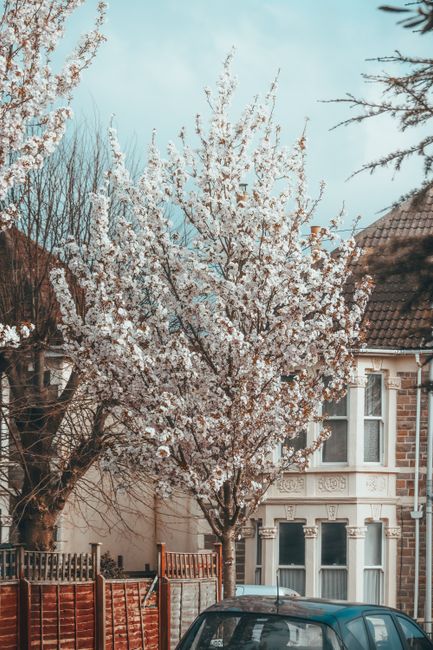
Imagine a typical Peckham terrace with a small front garden, a mature ornamental tree, and a hedge close to the path. The tree is shading the entrance, dropping debris onto the paving, and brushing the front fence on windy days. The owner wants it "sorted out." Fair enough.
Instead of jumping straight into cutting, the sensible approach is to identify the tree, check whether it might be protected, and decide whether pruning is enough. In this case, the tree is still healthy, so a balanced reduction and deadwood removal may solve the issue without removal. The hedge is also trimmed at the same time, and the lawn is tidied so the whole front looks intentional rather than patched together.
What happened next? The garden became easier to walk through, the entrance felt lighter, and the tree still looked like part of the house rather than a problem hanging over it. That's usually the sweet spot. Not stripped bare. Not overgrown. Just managed properly.
If the front garden had been more neglected, a wider tidy-up with garden maintenance and garden clearance would have made more sense before or alongside any tree work.
Practical checklist
Use this before you book or start any work.
- Have I identified the tree correctly?
- Do I know whether it is in my front garden, on a boundary, or affecting public space?
- Could the tree be protected in any way?
- Is the work pruning, reduction, deadwood removal, or removal?
- Do I understand the likely impact on neighbours, paths, and access?
- Have I taken photos and basic notes?
- Have I checked whether a formal permission or notice may be needed?
- Do I know how the green waste will be removed or recycled?
- Is this part of a wider garden tidy-up?
- Have I chosen a contractor or plan that fits the actual job, not just the cheapest one?
Short list, yes. But it catches most of the problems people run into.
Conclusion
Southwark permit rules for trees in Peckham front gardens can seem fiddly, but the basic idea is straightforward: identify the tree, check whether it is protected, decide what kind of work is really needed, and do not rush the cut. That one habit alone prevents a lot of trouble.
Handled properly, tree work can improve safety, light, and kerb appeal without turning into a planning headache. It can also make the rest of the front garden easier to maintain, which is a nice bonus when life is already busy enough. Let's face it, most people do not want to spend their Saturday arguing with brambles and branches.
If you are planning tree work alongside a wider garden tidy, a careful, compliant approach will nearly always give the best result. Calm planning, tidy execution, and a bit of patience - that is usually the winning combination.
Get a free quote today and see how much you can save.
And if you are still unsure, take a breath and check before cutting. A little caution now can leave you with a better garden, a safer frontage, and a much easier week ahead.
Frequently Asked Questions
Do I need permission to prune a tree in my Peckham front garden?
Not always. If the tree is unprotected and entirely within your boundary, simple pruning may be straightforward. But if the tree is protected or near a boundary, permission or formal notice may be needed. Check first rather than assuming.
What counts as a protected tree in Southwark?
Protection can come from different planning controls, including Tree Preservation Orders or conservation area rules. The key point is that protection changes what you can do without asking. If you are unsure, treat the tree as potentially protected until confirmed otherwise.
Is cutting a tree down the same as pruning it?
No, and this is where people often get caught out. Pruning or crown reduction is not the same as removal. Removal is a much bigger decision and is more likely to need formal checks or approval.
Can I remove a front garden tree if it is blocking light?
Possibly, but do not assume that light loss alone means you can remove it without checking the rules. The tree's status matters. In some cases, careful reduction or reshaping is a better first option anyway.
What if the tree is damaging my paving or wall?
That is a common reason people look into tree work. Even then, you should still check whether the tree is protected and assess whether pruning, root management, or removal is the right response. Damage does not automatically override planning controls.
Do I need to tell my neighbours before tree work?
It may not always be a legal requirement, but it is often a smart move. A quick heads-up helps avoid awkward surprises, especially if access, noise, or debris might affect them.
How do I know whether the tree work is too much?
If the proposed cut removes a large part of the canopy or changes the tree's character dramatically, that is usually a sign to slow down and get a proper view. Good tree work should solve the problem without wrecking the tree.
Can tree work be done as part of regular garden maintenance?
Yes, often it can. In many front gardens, tree care fits neatly alongside hedge trimming, lawn mowing, and general upkeep. That can save time and give a much tidier result across the whole space.
What should I ask a contractor before booking?
Ask what they think the tree needs, whether permission checks are relevant, how they will handle waste, and how they manage safety on a front-facing site. A good contractor should answer clearly without sounding rushed.
Is emergency tree work treated differently?
Sometimes urgent safety work has to happen quickly, especially after storm damage or if there is an immediate hazard. Even then, keep records and check the rules afterwards. Urgency is not a free pass, but it can affect the order of operations.
What is the safest first step if I'm not sure?
Take photos, note the issue, and pause before cutting. That gives you something concrete to assess and helps you decide whether you need specialist advice. Honestly, that little pause is often the smartest step of all.
Can a front garden tree be part of a wider landscaping plan?
Absolutely. Tree position can shape the whole design, from shade and paving to planting and access. If you are reworking the space, it makes sense to think about the tree early rather than trying to squeeze it into a finished design later.